
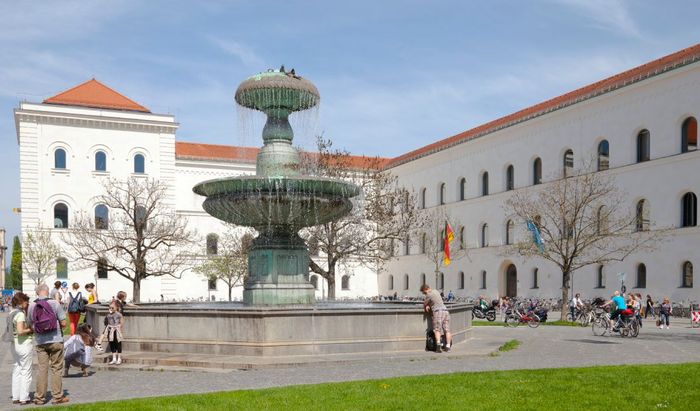
Germany’s Ludwig Maximilian University of Munich — known as LMU Munich, with more than 52,000 students and one of the country’s largest universities — is investigating a cyberattack in which an unknown hacker gained access to enrollment records stored on one of its IT systems. The university detected the intrusion on Wednesday, September 17, but has not yet determined when it began or how long the attacker had access. As of the university’s Saturday statement, it confirmed the data “must be assumed” to have been retrieved.
The potentially compromised records cover a wide range of sensitive information: students’ names, dates of birth, and other identifying details; contact information and LMU email addresses; bank account details used for fee payments; details about courses of study and prior academic qualifications; health insurance numbers; and identifiers tied to Germany’s student financial aid program (BAföG). In some cases, records may also include the stated reasons why students requested leaves of absence — a category that can carry medical or personal significance. Examination results and individual academic performance data were not affected. LMU said the server has been disconnected, external cybersecurity specialists are assisting, and the university is working with law enforcement. Several non-affected systems were also taken offline as a precaution; enrollment has been briefly suspended and is expected to resume this week, with affected deadlines extended. No attacker has been identified and no ransom demand has been publicly disclosed.
Universities have been consistently attractive targets because they combine large databases of personal and financial information with comparatively open networks designed for research collaboration. Recent U.S. victims include the University of Texas, Stanford, the University of Oklahoma, and the University of Michigan.